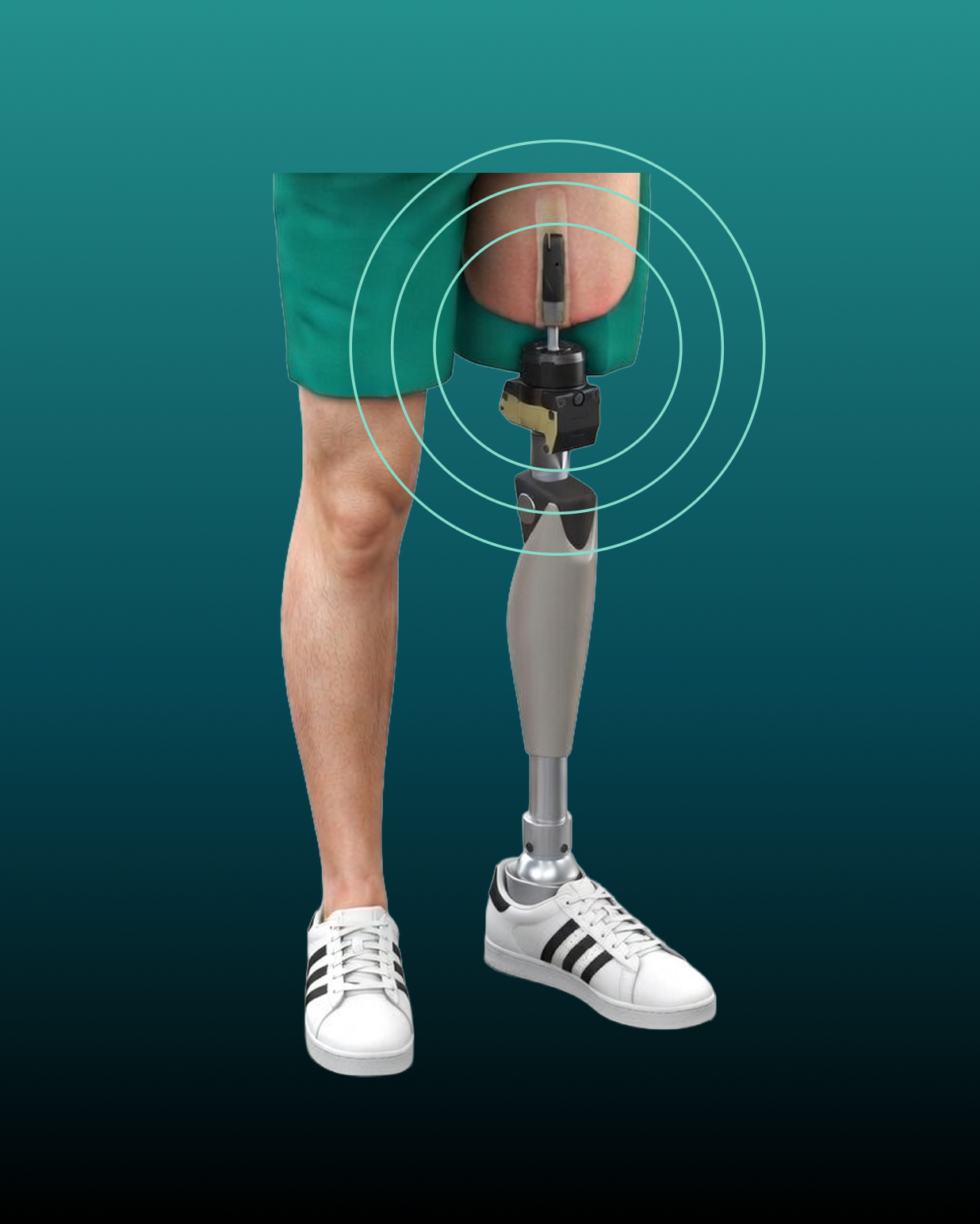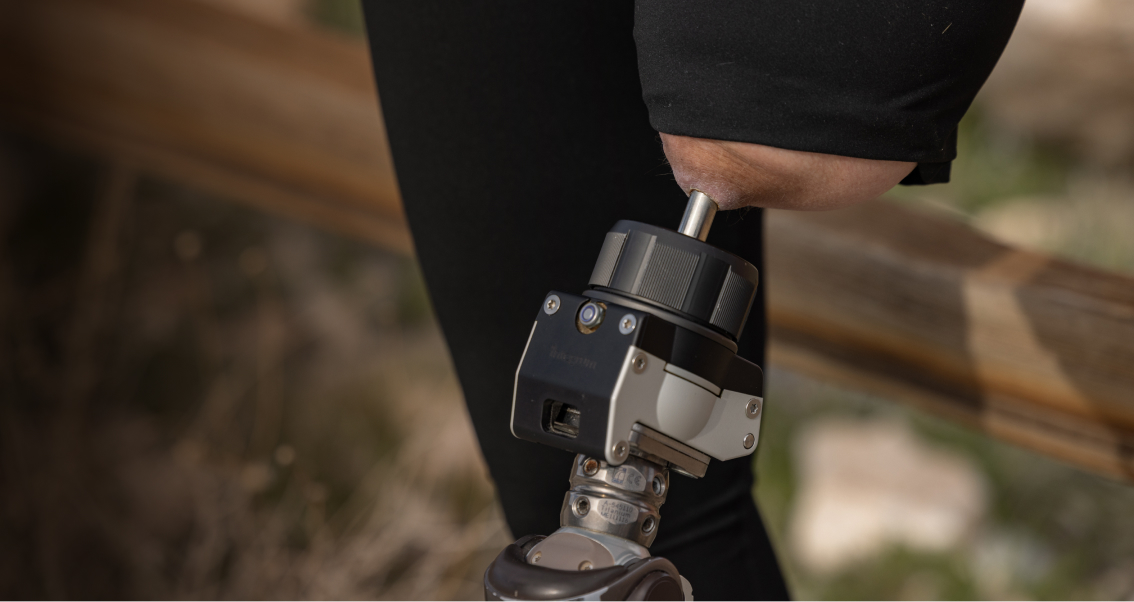
A strong connection between implant and bone.
Osseointegration is a natural phenomenon that has revolutionized the implant industry since the discovery made by Dr. Per-Ingvar Brånemark in the early 1960's.
Osseointegration limb replacement is a method for anchoring the prosthesis directly to the bone. In the early 1960s, Swedish Professor Per-Ingvar Brånemark discovered that titanium is not rejected by the body but instead integrates with the surrounding bone tissue. Professor Brånemark named his discovery from the Latin word os – which means bone, and integrare – which means to unite, which can also be expressed as interactive coexistence.
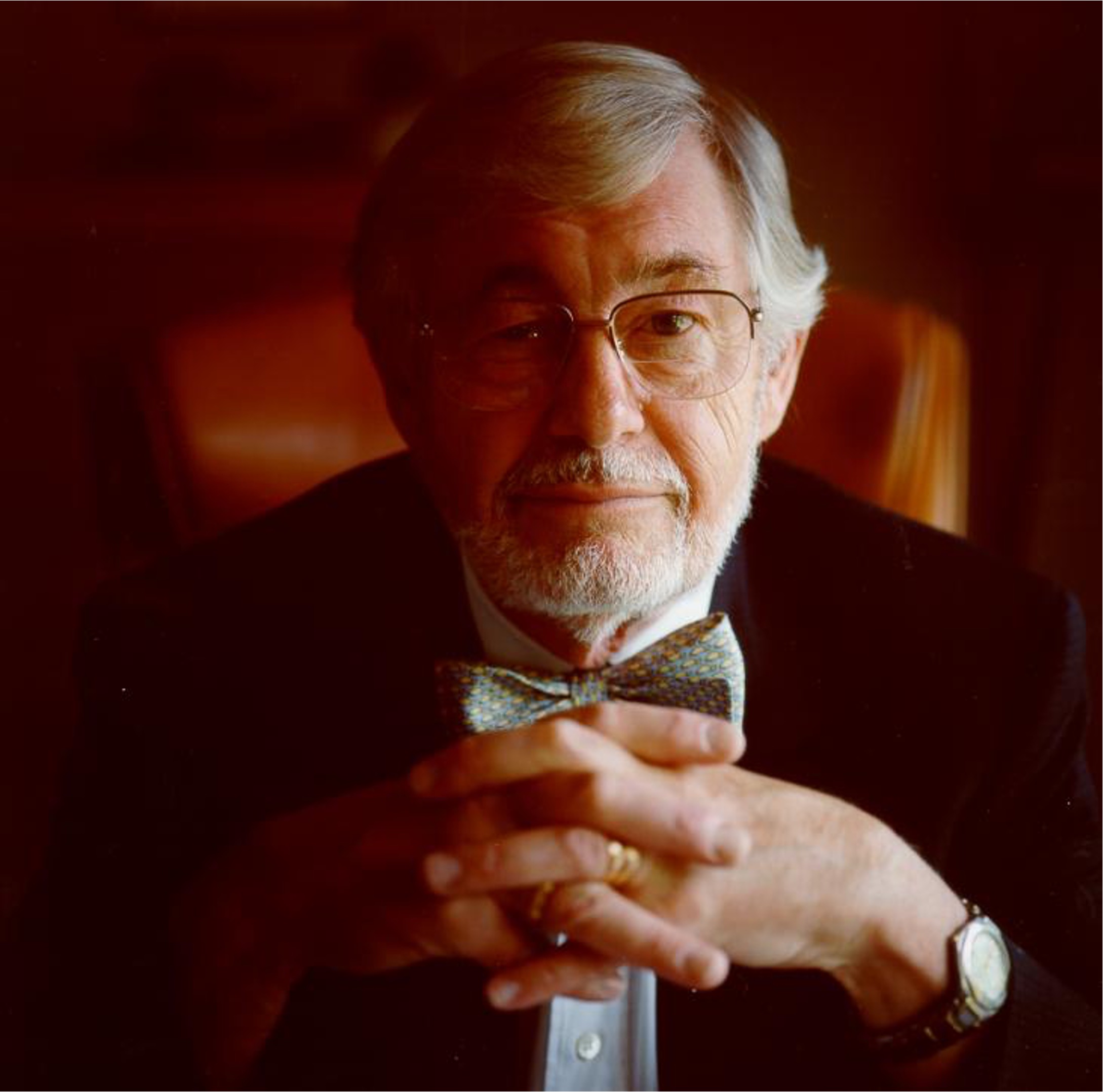
The discovery was initially used for the prosthetic replacement of teeth and created the foundation for modern dental implants. It has since been further developed and is now also used for facial prosthetics and anchorage of hearing aids. In 1990, Dr. Per-Ingvar Brånemark and Dr. Björn Rydevik performed the world’s first surgery in which a patient was implanted with a transfemoral osseointegrated prosthesis in Gothenburg, Sweden. This represented a major milestone in the advancement of osseointegrated implant treatment and created a new opportunity for amputees worldwide to improve their quality of life.